

Giving you advice that matters
Permanent Residence,
Citizenship and Bill C-3
We submit and review applications for clients seeking permanent residence and citizenship in Canada.
We specialise in both permanent resident applications under economic classes and permanent residence applications submitted under family-related and humanitarian classes on the basis of family-reunification, social, and humanitarian objectives.
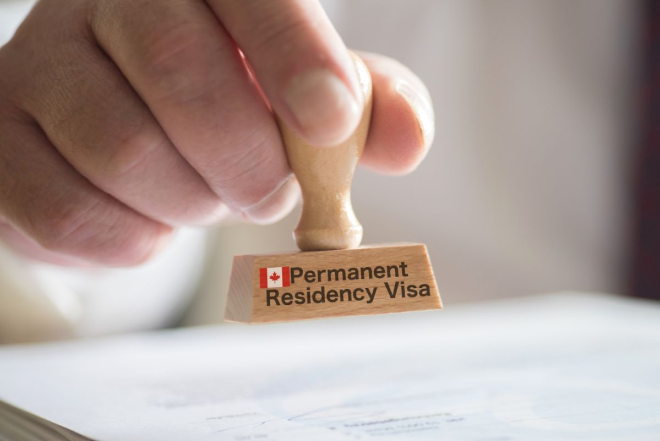
Express Entry and Provincial Nomination Programs
We are experienced in Express Entry applications, as well as Provincial Nomination Programs across Canada with a focus on British Columbia and Saskatchewan. We help you pathway to permanent residence by recommending a program that fits your qualifications, help you apply for entry into the pool of eligible candidates or obtain nomination (depending on program), and then submit applications to IRCC on your behalf.
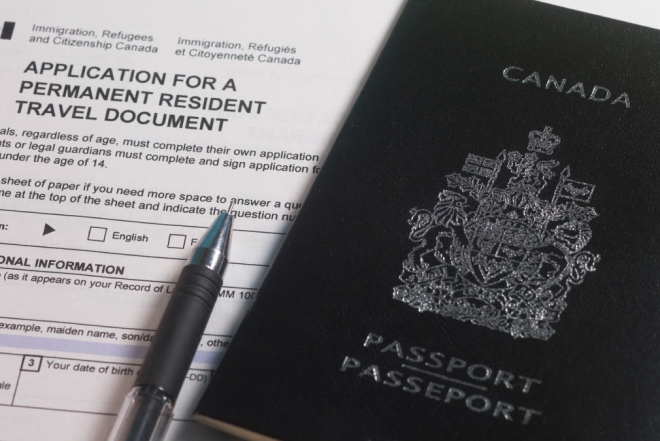
New Pathways to Permanent Residence
In between, you may have challenges seeking work permit extensions and continued authorization to stay while your application is processing. If employment is lost or you face other challenges, you may deal with uncertainty and/or loss of status. We are here to provide you advice to navigate you out of these dark, grey zones in Canadian immigration.
If you need assistance in applying for Canadian Citizenship, we are available to provide you advice in navigating the process. Currently, to be eligible, if you are a permanent resident and are 18 years of age or older, you must:
• Have lived physically in Canada as a permanent resident for at least three of the five years before the date you apply;
• Meet your personal income tax filing obligations in at least three taxation years that are fully or partially within the five years before you apply;
• Demonstrate adequate knowledge of English and/or French and some knowledge of Canada and the rights and responsibilities of citizenship (unless under age 17 or over 55);
Note that persons with a criminal record, who are facing criminal charges or who are subject to an immigration enforcement action may be ineligible for citizenship.

Before Bill C-3, many Canadians who were born outside Canada were prevented from passing citizenship to their own children born abroad. Bill C-3 corrects this for past generations and sets a clearer rule for future ones. Families who lost citizenship under the old system may now have it restored, and citizens by descent have a new option to pass citizenship forward if they meet the 1,095-day presence requirement.
Through our casework, we have organized and provided some answers to common questions we have come across. Read it more here: Bill C-3: How Much Do You Know About Recent Changes to Canada’s Citizenship Act?
Bill C-3 Citizenship Certificate Applications
Anyone born in Canada after February 14, 1977 is a Canadian citizen, whether their parents are citizens or not.
1. If you were born in Canada and your child is born outside Canada, your child is a Canadian citizen. The new 1,095-day rule does not apply to you.
2. If you are a naturalized Canadian, meaning you became a citizen after being a permanent resident, and your child is born outside Canada, your child is a Canadian citizen. The new 1,095-day rule does not apply to you.
3. If you were born outside Canada to a Canadian parent, meaning you are a citizen by descent, and your child is born outside Canada after Bill C-3 comes into force, your child will be a Canadian citizen only if you have lived in Canada for at least 1,095 days before the child is born or adopted. If you do not meet this requirement, your child will not be a Canadian citizen by descent.
4. If your child was born or adopted outside Canada before the Act comes into force and you were a Canadian citizen when they were born or adopted, the new law recognizes your child as a Canadian from birth or from the date of adoption, without needing to apply under the new rules.
Before Bill C-3, many Canadians who were born outside Canada were prevented from passing citizenship to their own children born abroad. Bill C-3 corrects this for past generations and sets a clearer rule for future ones. Families who lost citizenship under the old system may now have it restored, and citizens by descent have a new option to pass citizenship forward if they meet the 1,095-day presence requirement.