
By Laura Schemitsch, Canadian Immigration Lawyer, Heron Law Offices
On December 15 2025, Bill C-3, an Act to Amend the Citizenship Act, came into effect. Prior to this change, Canadian citizenship by descent was limited to the first generation of people born or adopted abroad, a limit which was in place from 2009 to 2015. As a result of these recent changes to remove this limit, there has been a dramatic increase in related applications. Here are some answers to common questions we have come across lately:
Q. I think I might be Canadian. How do I know for sure?
A. Apply for proof of Canadian citizenship from Immigration, Refugees and Citizenship Canada through a Canadian citizenship certificate if you think you may be a Canadian citizen by descent. You can also check estimated processing times.
Q. I found my great-grandparents’ birth record on a free genealogy website. Can I just submit that?
A. While this is a good starting point, this likely will not be sufficient evidence to request proof of citizenship.
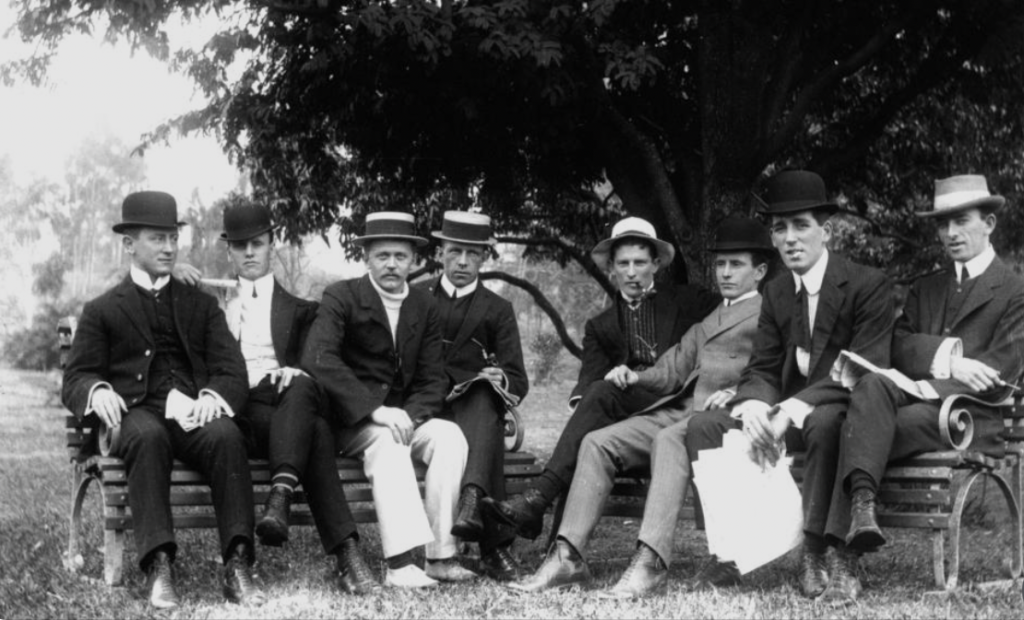
Q. My great-great-grandparent was a Canadian citizen since the mid-1800s, does that mean I am a citizen too?
A. Not necessarily. This emerging new area of citizenship law is more nuanced than it appears at first glance.
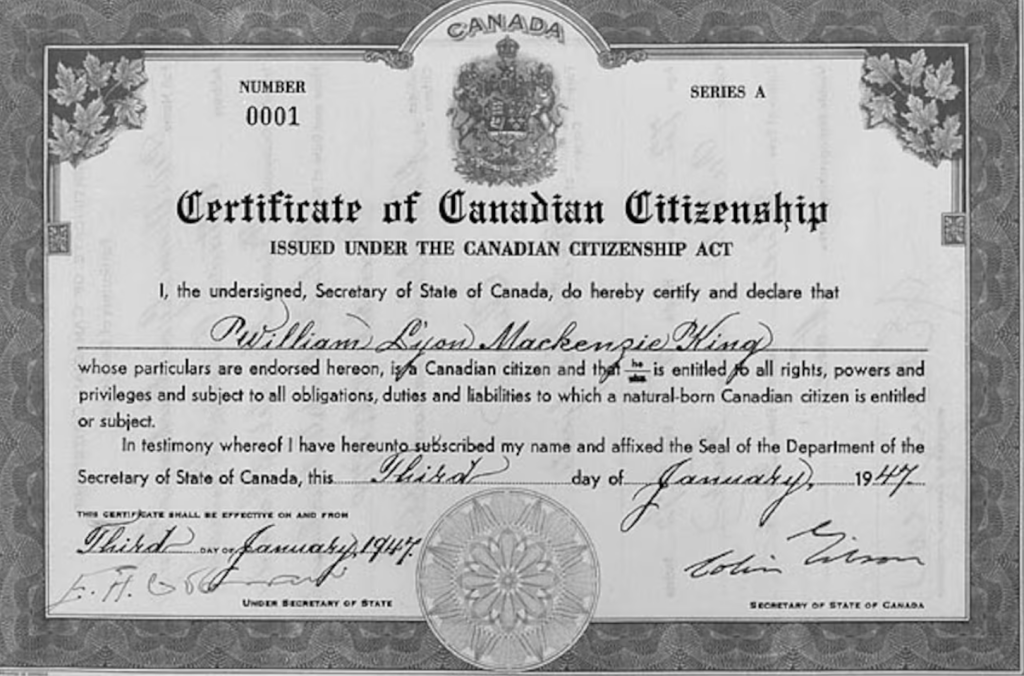
First, it is important to understand that Canadian citizenship did not exist as a legal status until Canada’s first Citizenship Act came into effect on January 01 1947. Before that date, individuals born in Canada were considered British subjects. As of January 01 1947, new rules came into effect which deemed those born on Canadian soil before that date as Canadian citizens. We often refer to this Canadian ancestor as the “anchor relative” or “Generation 0.”
Their minor children, even if born outside of Canada, were also deemed citizens on that day – we refer to them as “Generation 1.” The original Citizenship Act contained provisions now considered outdated and resulted in some people losing or not being able to acquire citizenship based on their gender and marital status, place of birth, or naturalization status.
Second, it is also important to understand that citizenship is passed through your parent, so you must show how your parent was a citizen if they do not already have proof, which can involve tracing legal and factual history through generations.
Q. I think my great-grandparent became an American citizen too. How does this affect me?
A. This could interrupt your citizenship chain. Another important question is whether your anchor relative became an “alien.” Oftentimes, a British subject born on Canadian soil would move to the United States of America and become a naturalized citizen. In this case, the Canadian ancestor would not become a citizen on January 01 1947, because they were considered an “alien” under the original Citizenship Act, nor did their minor children become citizens. As a result, the era of “Lost Canadians” began, a term that originally referred to individuals who lost or never acquired Canadian citizenship due to outdated provisions.
Q. If my ancestor was not considered a citizen in 1947, should I still apply?
A. Yes, if you think you have an ancestor born on Canadian soil, you can apply for proof of citizenship to be sure. Changes to Canada’s citizenship laws in 2009 and 2015 had already sought to resolve most issues of “Lost Canadians.” According to IRCC, Bill C-3 extends access to citizenship to the remaining “Lost Canadians,” their descendants and those born abroad to or adopted abroad by a Canadian parent in the second or later generation before the new law came into effect.
Q. I am Canadian, and my child was born after 15 December 2025. Are they also Canadian?
It depends on how you become Canadian. For Applicants born on or after December 15, 2025, they must show their Canadian parent born or adopted abroad has at least 1,095 days (three years) of cumulative physical presence in Canada before the applicant’s birth or adoption (new substantial connection test).
Note: IRCC has not yet updated the document checklist for these applications. As a result, Applicants may benefit from additional guidance to try to ensure their applications are complete. It is important to demonstrate an unbroken chain of lineage to your Canadian ancestor (factually and legally) through your application and supporting documents.
For more information about your eligibility to apply under these new citizenship law changes, contact info@heronlaw.ca for a consultation.